

Every year on September 30, communities across Canada pause to remember, reflect, and honor the survivors of residential schools and the children who never made it home. Truth and Reconciliation Day is a time for quiet reflection, heartfelt prayer, and words that carry real meaning — not just another date on the calendar.
In this article, you’ll find a heartfelt collection of Truth and Reconciliation Day blessings, prayers, and messages that you can use for yourself, your family, or your community. Whether you’re looking for something short to share on social media or a longer prayer for a gathering, you’ll find gentle, respectful words here that speak to healing, hope, and understanding.
What Is Truth and Reconciliation Day?
The Meaning of Truth and Reconciliation Day
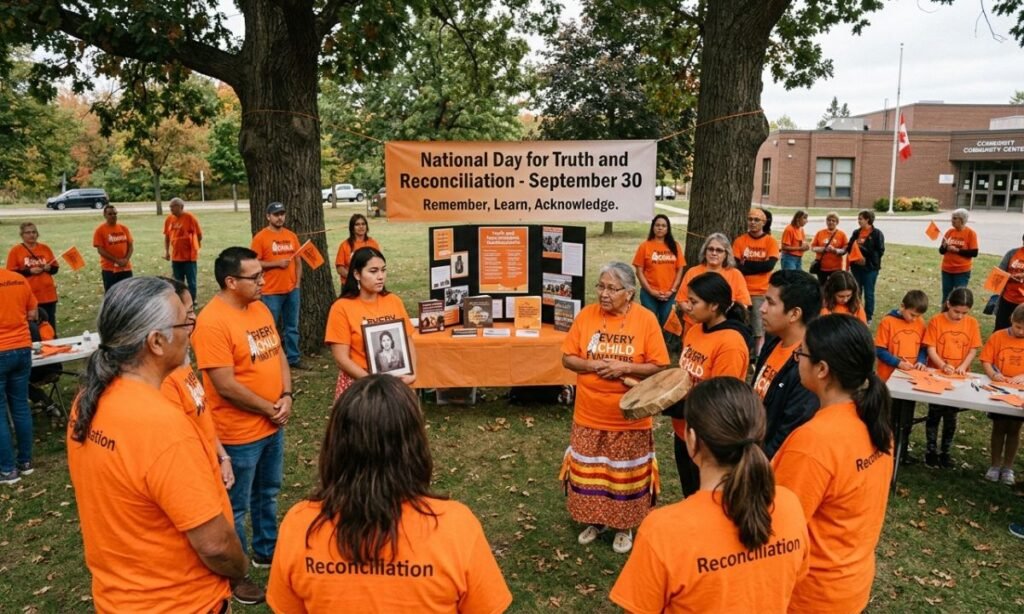
Truth and Reconciliation Day, officially known as the National Day for Truth and Reconciliation, is a Canadian day of remembrance that honors Indigenous children who were taken from their families and placed in residential schools. It’s a day built on acknowledging painful history so that real healing can begin. At its heart, the day is about listening — to survivors, to elders, and to the truth of what happened, so that reconciliation can be more than just a word.
Why September 30 Is Important?
September 30 was chosen because it marked the time of year when Indigenous children were historically taken from their homes and sent away to residential schools, often far from their families and communities. It’s a date that carries deep emotional weight for many Indigenous families, who remember the fear and sadness of that time. Recognizing this specific day helps keep the memory alive in a way that feels personal and grounded in real history, not abstract.
Remembering Survivors and Their Families
At the center of Truth and Reconciliation Day are the survivors themselves — the people who lived through residential schools and carry those memories with them. It’s also about the families who waited, searched, and in far too many cases, never got answers about what happened to their children. Taking a moment to remember survivors and their families, by name where possible, is one of the most meaningful ways to honor this day.
The Role of Understanding and Education
Understanding is at the core of true reconciliation. Learning about residential schools, their impact, and the ongoing effects on Indigenous communities helps non-Indigenous people move from simply feeling sorry to actually supporting change. Schools, workplaces, and families across the USA and UK who want to acknowledge this day often find that education — reading survivor stories, watching documentaries, or listening to Indigenous voices — is the best starting point.
Heartfelt Truth and Reconciliation Day Blessings
A Prayer for Healing and Hope
May the wounds of the past find gentle healing today.
May hope replace grief, little by little, and may every survivor feel seen, heard, and valued.
We pray for comfort for those still carrying pain, and for strength for the road ahead.
A Blessing for Peace and Understanding
May peace settle over hearts that have carried anger and sorrow for too long.
May understanding grow between communities, replacing silence with honest conversation.
Let this day be a step toward a future built on respect and truth.
A Prayer for Compassion and Respect
May we be given hearts soft enough to truly listen, and minds open enough to learn.
May compassion guide our words and actions, today and every day after.
Let respect for Indigenous history and culture never fade from our communities.
A Blessing for Reconciliation and Unity
May reconciliation be more than a promise — may it become action.
May unity grow from truth, not from forgetting, so healing can be lasting.
Bless every effort, big or small, that brings communities closer together.
Truth and Reconciliation Day Prayers
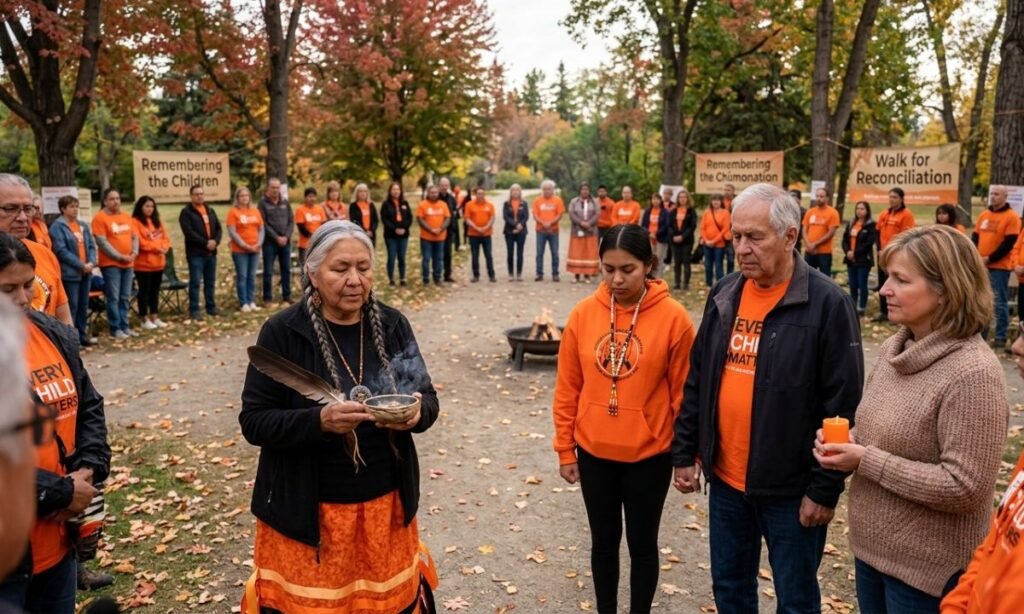
Prayer for Healing and Peace
Gentle Spirit, bring healing to those who still ache from the past.
Bring peace to communities that have long carried grief.
Let this day be a quiet step toward wholeness for all who need it.
Prayer for Understanding
Help us understand what we did not live through ourselves.
Give us patience to listen and humility to learn without defensiveness.
May understanding turn into meaningful change in how we treat one another.
Prayer for Compassion
Fill our hearts with compassion for those who suffered in silence for so long.
Let compassion move us to action, not just quiet sympathy.
May we carry kindness forward long after today has passed.
Prayer for a More Respectful Future
Guide us toward a future shaped by respect, not repetition of old harms.
May future generations grow up learning truth instead of silence.
Let respect for Indigenous peoples and their histories be woven into how we teach and live.
Short Truth and Reconciliation Day Blessings
Short September 30 Prayer
May today bring healing, and may tomorrow bring understanding.
One-Line Reconciliation Blessings
- May truth lead to healing.
- May every child be remembered.
- May hope outlast sorrow.
- May reconciliation grow, one honest step at a time.
Short Messages of Hope
- Healing takes time — may today be part of that journey.
- Every act of understanding matters.
- Hope grows where truth is honored.
Respectful Words for Truth and Reconciliation Day
Simple, sincere words often mean the most. A quiet “we remember” or “every child matters” can carry more weight than a long message, especially when shared with genuine care rather than as a formality.
Prayers for Hope and Healing
Prayer for Survivors and Families
We hold survivors and their families close today.
May they feel supported, not just remembered once a year.
Give them strength for the memories that resurface and comfort in community.
Prayer for Strength and Comfort
May strength come to those who feel weary from carrying grief.
May comfort arrive through community, connection, and being truly heard.
Let no one feel alone in their healing journey.
Prayer for Healing Communities
May communities heal together, not apart.
May old wounds be met with new efforts at understanding and repair.
Let this healing be shared work, not something left to survivors alone.
Prayer for Hope for Future Generations
May children growing up today inherit truth instead of silence.
May future generations build relationships rooted in honesty and respect.
Let hope for a better tomorrow start with what we teach today.
Truth and Reconciliation Day Blessings for Families
Family Prayer for Understanding
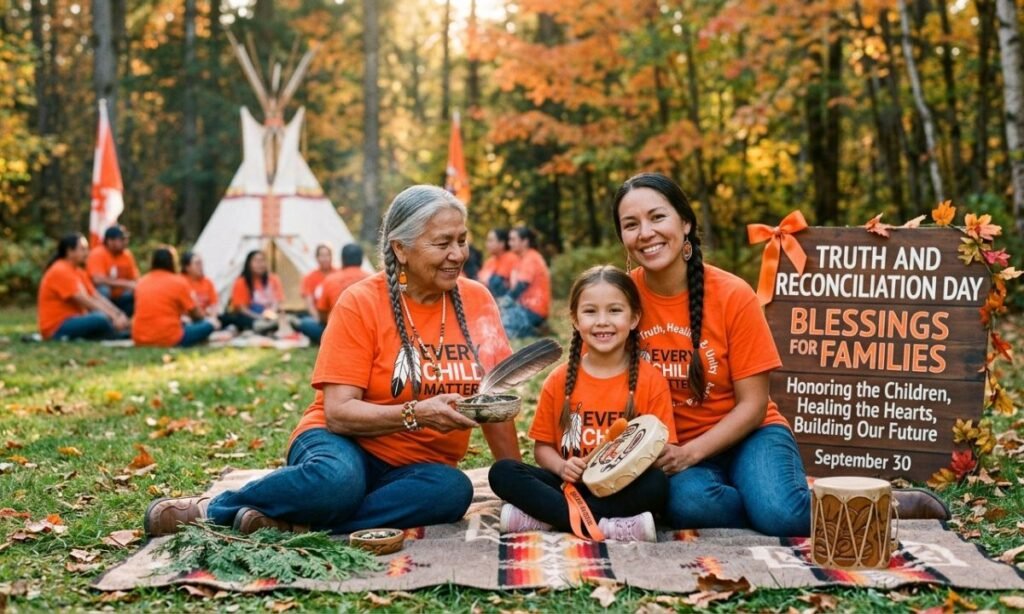
May our family grow in understanding of Indigenous history and experiences.
Help us talk about hard truths honestly, even when it’s uncomfortable.
Let our home be a place where learning and empathy are welcomed.
Blessing for Teaching Children About Reconciliation
May our children learn about this history with honesty and care.
May they grow up valuing truth over comfortable silence.
Bless our efforts to teach reconciliation as an ongoing practice, not a single lesson.
Prayer for Compassion and Respect
May compassion shape how our family speaks about this day.
May respect for Indigenous culture and history be part of who we are.
Let us model kindness and openness for younger generations watching us.
Family Reflection and Gratitude
Taking a few quiet moments as a family to reflect — maybe reading a survivor’s story together or simply talking about what the day means — can turn Truth and Reconciliation Day into something meaningful rather than just symbolic.
Orange Shirt Day Messages and Blessings
What Orange Shirt Day Represents
Orange Shirt Day, observed alongside Truth and Reconciliation Day, began with the story of Phyllis Webstad, whose new orange shirt was taken from her on her first day at residential school. The color orange has since become a powerful symbol representing the loss of identity, culture, and childhood that residential schools caused.
Every Child Matters Messages
- Every child matters, today and always.
- We wear orange to remember every child who didn’t come home.
- Their stories matter. Their lives matter.
Respectful Orange Shirt Day Blessings
May the orange we wear today be a reminder, not a decoration.
May it prompt real reflection about the children affected by residential schools.
Let it be a small, sincere act of remembrance.
September 30 Reflection Messages
Taking time on September 30 to sit with the weight of this history — rather than rushing past it — is one of the most respectful things people outside Indigenous communities can do.
Bible-Inspired Prayers for Peace and Understanding
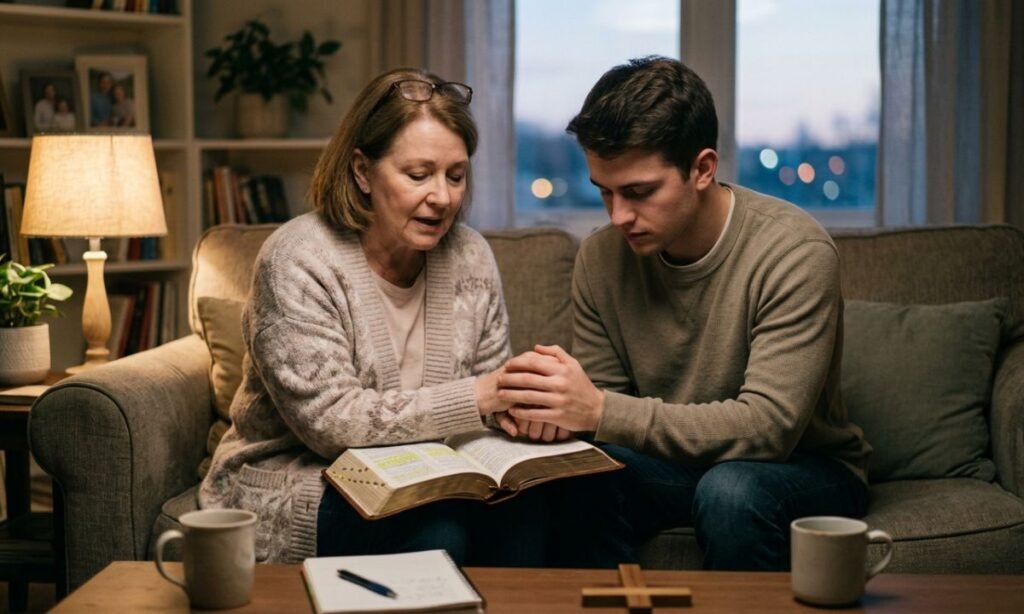
Scriptures About Peace
Passages like Philippians 4:7 speak of a peace that goes beyond ordinary understanding, offering comfort to hearts and minds. Many find comfort in reflecting on these words during times of collective grief and healing.
Bible Verses About Compassion
Colossians 3:12 encourages believers to clothe themselves with compassion, kindness, and humility — values that align closely with the spirit of reconciliation and healing this day represents.
Scriptures About Loving Others
1 John 4:7 reminds readers that love comes from a deeper source and calls people to love one another genuinely. This message resonates strongly with the call for understanding between communities.
Prayer for Wisdom and Understanding
Grant us wisdom to understand history we did not personally experience.
Help us approach today with humility rather than assumptions.
Guide our hearts toward genuine understanding, not just surface-level acknowledgment.
Inspirational Truth and Reconciliation Messages
Messages About Hope and Unity
- Hope grows strongest when it’s shared.
- Unity begins with honest truth-telling.
- Together, healing becomes possible.
Messages of Respect and Remembrance
- We remember with respect, not just obligation.
- Their stories deserve to be told and heard.
- Remembrance is the first step toward change.
Meaningful September 30 Messages
- Today, we choose to listen.
- Truth first, then reconciliation.
- Every step toward understanding matters.
Reconciliation Messages to Share
Sharing thoughtful, sincere messages — whether in person, at a gathering, or online — helps keep the conversation about truth and reconciliation going beyond just one day a year.
Truth and Reconciliation Day 2026
When Is Truth and Reconciliation Day in 2026?
Truth and Reconciliation Day falls on September 30, 2026, which lands on a Wednesday. As it does every year, the date remains fixed regardless of the day of the week it falls on.
How Is the Day Observed?
The day is observed through ceremonies, moments of silence, educational events, and community gatherings across Canada. Many people also choose to wear orange shirts as a visible sign of remembrance and solidarity with residential school survivors.
Ways to Learn and Reflect
- Read survivor testimonies and firsthand accounts.
- Watch documentaries about residential schools and their history.
- Attend local community events or ceremonies if available.
- Support Indigenous-led organizations and initiatives.
How to Approach the Day With Respect?
Approaching Truth and Reconciliation Day with respect means listening more than speaking, learning rather than assuming, and recognizing that this day belongs to Indigenous communities first. Genuine reflection and ongoing effort matter far more than a single social media post.
Frequently Asked Questions
What do you say on Truth and Reconciliation Day?
Simple, sincere words work best — acknowledging the history, honoring survivors, and expressing a genuine commitment to learning and understanding. Avoid overly casual language, and let your words reflect real respect for the day’s significance.
Is Truth and Reconciliation Day a religious holiday?
No, it’s not a religious holiday. It’s a day of remembrance and reflection rooted in Canadian history, though many people choose to incorporate prayer or spiritual reflection as part of their personal observance.
Why do people wear orange on this day?
Orange is worn in honor of Phyllis Webstad’s story and represents the loss experienced by Indigenous children who attended residential schools. It has become a widely recognized symbol of remembrance known as Orange Shirt Day.
What is the difference between Orange Shirt Day and Truth and Reconciliation Day?
Orange Shirt Day started as a grassroots movement in 2013 to honor residential school survivors, while the National Day for Truth and Reconciliation became an official federal statutory holiday in Canada in 2021. Today, both are observed together on September 30.
How can I teach my children about Truth and Reconciliation Day?
Age-appropriate books, documentaries, and honest conversations are great starting points. Focus on truth, empathy, and the importance of listening to Indigenous voices rather than overwhelming younger children with graphic details.
Conclusion
Truth and Reconciliation Day asks us to slow down, listen, and remember — not out of obligation, but out of genuine care for the survivors and families whose stories deserve to be honored. The blessings, prayers, and messages shared throughout this article are meant to offer comfort, encourage reflection, and support meaningful conversations within families and communities.
As September 30 approaches each year, may these words serve as a gentle reminder that healing is ongoing, understanding takes effort, and reconciliation is built through consistent, sincere action. Wherever you are, whether in the USA, UK, or Canada, taking a moment to reflect on this day’s meaning is a small but powerful step toward a more compassionate future.

Hi, I’m the author behind Blesseingsis, where I share uplifting blessings, heartfelt prayers, and faith-inspired words to encourage people every day. With over 4 years of experience creating content in the blessings and prayer niche, I focus on writing meaningful, easy-to-read, and inspiring articles for readers around the world
