

We say it at the grocery store. We hear it at church. We text it to a friend before a hard day. “Have a blessed day” rolls off the tongue so easily that we forget what we’re actually asking for.
This phrase carries real weight. It’s not a polite filler like “have a nice day.” It’s a small prayer, spoken out loud, asking God to move through someone’s ordinary hours. When you understand what you’re really saying, the words start to mean something again.
A Simple Phrase With a Powerful Message
Some phrases carry more weight than their word count suggests. “Have a blessed day” is one of them. It sounds simple, almost ordinary, yet it can shift someone’s mood in seconds. This section looks at why the phrase sticks with people and what makes kind words so powerful in everyday life.
Why Does This Phrase Feel So Meaningful?
People remember how others make them feel far more than what was actually said. When someone hears “have a blessed day,” they feel noticed. It signals that the speaker took a moment out of their own busy morning to wish them well. That small pause matters more than most people realize, especially in a world where quick exchanges are the norm.
The phrase also carries a sense of hope. It suggests that good things are possible for the rest of the day, no matter how it started. This is part of why the words feel warm rather than generic. They point toward something better, even if the day has already been rough.
The Emotional Impact of Kind Words
Kind words activate a real emotional response, not just a polite reaction. Studies on social interaction show that small verbal gestures of goodwill can lower stress and improve mood, even between strangers. A short blessing said with sincerity can carry that same effect. It costs nothing to say, yet it can change how someone carries themselves for hours.
This impact grows stronger with repetition. When a person hears kind phrases often, from coworkers, cashiers, or family, it builds a general sense of being cared for. That feeling adds up over time. It is one reason communities that use blessings casually tend to feel warmer and more connected than those that do not.
Why Do Words Like These Matter in Daily Life?
Daily life is full of rushed conversations and quick exchanges. Small phrases like “have a blessed day” break that pattern. They slow things down for a second and remind people that connection still matters, even during a busy schedule.
Building Positive Daily Connections
Every interaction, no matter how brief, adds a layer to a relationship. A kind phrase at the start or end of a conversation leaves a positive mark, even if nothing else about the exchange was memorable. Over time, these small marks build trust between coworkers, neighbors, and even people who barely know each other.
This is especially true in service settings. A barista, a mail carrier, or a receptionist who offers a genuine blessing stands out from the crowd. People remember that warmth and often return it. It creates a small cycle of goodwill that keeps repeating itself throughout the day.
Small Words That Make a Big Difference
It is easy to underestimate a short phrase. Yet research on daily wellbeing consistently shows that small positive moments, not grand gestures, shape most of a person’s overall mood. A blessing said in passing fits that pattern perfectly. It takes seconds to say but can linger in someone’s mind for much longer.
These small words also model behavior for others. When one person offers a kind phrase, it often prompts the next person to do the same. This ripple effect is one of the simplest ways kindness spreads through a workplace, a family, or a neighborhood without anyone planning it.
The Meaning Behind “Have a Blessed Day”

At its core, this phrase is a wish for goodness to follow someone through their day. It carries warmth, hope, and a touch of spiritual intention, even when used casually.
What Does the Phrase Really Mean?
“Have a blessed day” is a wish that favor, protection, and goodness accompany the person for the hours ahead. It is not a command or an expectation. It is an offering, a small gift of good will handed from one person to another. The word “blessed” implies something beyond ordinary luck; it suggests a day touched by grace.
Many people use the phrase without overthinking its origins. It has become part of everyday language, especially in communities where faith and daily speech overlap. Even so, the underlying sentiment stays the same. The speaker hopes the listener experiences something good, meaningful, or peaceful before the day ends.
When People Commonly Use It
This phrase shows up most often at natural transition points. People say it when parting ways after a conversation, at the end of a phone call, or when closing out a customer service interaction. It works as a warm sign-off that leaves the exchange on a positive note.
It also appears in written communication. Text messages, emails, and social media posts often end with this phrase, especially among people who want their message to feel personal rather than transactional. Its flexibility is part of its appeal. It fits almost any setting where someone wants to close on a hopeful note.
The Difference Between “Blessed” and “Blessing”
These two words look similar and share a root, but they function differently in a sentence and carry slightly different meanings. Understanding the difference helps people use both words with more confidence and precision.
Blessed vs. Blessing Explained
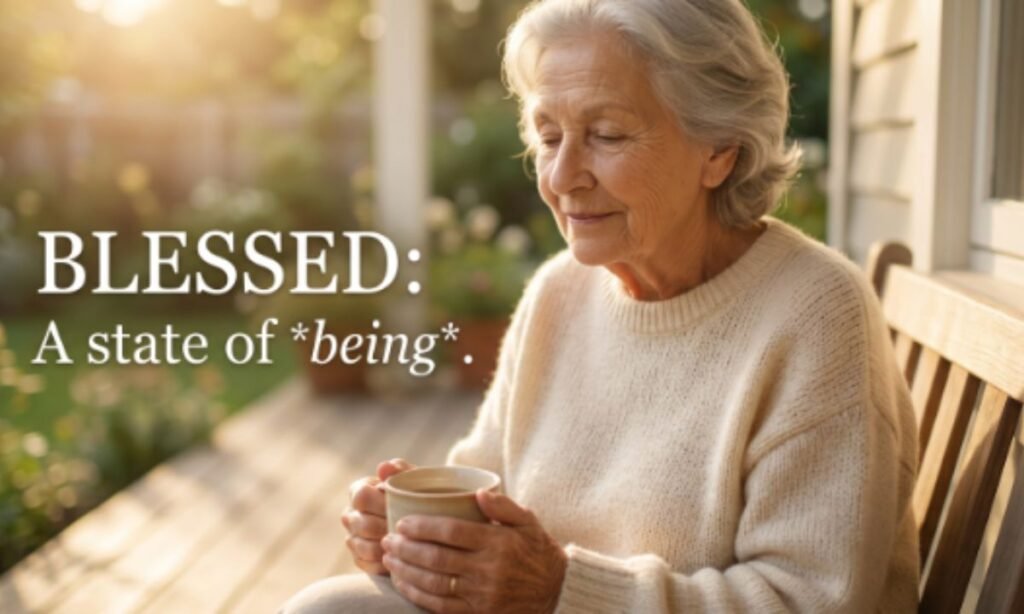
“Blessed” is typically used as an adjective. It describes a state, as in “she felt blessed” or “have a blessed day.” It points to a quality someone or something possesses, often tied to gratitude or favor. “Blessing,” on the other hand, is usually a noun. It refers to the thing itself, the gift, favor, or good fortune being described, as in “her health was a blessing.”
Grammatically, this distinction matters for clear writing. Mixing them up can make a sentence sound awkward, even if the meaning is still understood. Knowing when to use each word helps writers and speakers sound more natural, especially in faith-based or inspirational content where both words appear often.
Common Usage Examples
“Blessed” fits naturally into phrases that describe a feeling or condition, such as “I am blessed to have such a supportive family” or “have a blessed weekend.” It attaches directly to a person or a period of time, giving it a descriptive quality.
“Blessing” works best when naming something specific, such as “this opportunity is a true blessing” or “count your blessings.” It treats the good thing as an object that can be counted, named, or given thanks for. Seeing both words used correctly side by side makes the distinction much easier to remember.
Is It Religious or Just Kind?
This phrase sits in an interesting space between faith language and everyday kindness. Understanding both sides helps explain why so many different people feel comfortable using it.
Religious and Non-Religious Uses
In religious contexts, “have a blessed day” often carries a spiritual weight tied to specific beliefs about divine favor or protection. Christians, in particular, use it as a small prayer of sorts, wishing that God’s goodness accompanies the listener through their day. It reflects a worldview where daily life is connected to something larger than routine tasks.
Outside of religious settings, the phrase has taken on a broader, more general meaning. Many people use it simply to express warmth and good will, without attaching any specific belief system to it. It has become part of common courteous speech, similar to saying “take care” or “have a great day,” just with a slightly deeper emotional tone.
Why Can Everyone Say It?
Because the phrase works on two levels, spiritual and simply kind, it fits almost any speaker. Someone with strong religious convictions can say it as a genuine blessing. Someone without those convictions can say it as a warm, thoughtful send-off. Neither use cancels out the other.
This flexibility is part of why the phrase has stayed so popular across different communities. It does not require explanation or agreement on belief. It only requires a genuine wish for someone else’s wellbeing, which is something almost anyone can offer sincerely.
What Saying It Reveals About You?

The words a person chooses to use say something about their character. Choosing to say “have a blessed day” often reflects specific values that go beyond simple politeness.
A Reflection of Kindness
People who use this phrase regularly tend to be intentional about spreading positivity. It is not a phrase people stumble into by accident; it takes a small amount of thought to choose it over a more generic goodbye. That choice often reflects a genuine desire to leave others feeling better than before the interaction started.
This kind of consistent kindness builds a reputation over time. Coworkers, friends, and even strangers start to associate that person with warmth and encouragement. It becomes part of how others describe them, long after the specific words are forgotten.
The Power of Positive Intentions
Saying “have a blessed day” is an act of setting a positive intention, both for the listener and for the speaker. The words shape the speaker’s own mindset in the moment they are said, reinforcing a habit of noticing good things and wishing them onto others. This small mental shift can improve the speaker’s outlook just as much as the listener’s.
Intentions expressed out loud also tend to feel more real. Thinking a kind thought is good, but speaking it turns it into something shared. That shift from private thought to spoken word is part of what makes the phrase feel meaningful rather than hollow, even when said quickly in passing.
Everyday Situations Where “Have a Blessed Day” Fits Naturally
This phrase adapts easily to many different settings, from formal to casual. Knowing where it fits best helps people use it with confidence rather than hesitation.
At Work or School
In professional or academic settings, the phrase works well as a warm but appropriate closing line. It fits naturally at the end of a meeting, a phone call, or a hallway conversation. It stays respectful and universally acceptable, without leaning too casual or too personal for a workplace setting.
Teachers, coaches, and mentors often use it with students to send them off with encouragement. It carries a tone of care without becoming overly familiar, which makes it useful in settings where professionalism still matters but warmth is welcome.
In Messages and Conversations
Text messages and emails benefit from this phrase as a closing line, especially when the sender wants the message to feel personal. It softens the tone of an otherwise brief or transactional message and leaves the reader with something positive to carry forward.
In spoken conversation, it works well as a natural exit line. It signals that the conversation is ending on a good note, without needing a long or awkward goodbye. This makes it especially useful in quick interactions, like checkout lines or short phone calls.
With Friends and Family
Among people who are close, the phrase often carries extra warmth. Saying it to a family member before they leave the house, or to a friend at the end of a visit, adds a small layer of care to an already familiar relationship. It becomes a comforting ritual rather than a formality.
These smaller, personal uses often mean the most. Repeated within a family or close friend group, the phrase becomes a shared habit that reinforces closeness. Over time, it can turn into a kind of verbal shorthand for genuine affection and support.
Common Misunderstandings and Cultural Differences

Not everyone interprets this phrase the same way. Cultural background and personal experience shape how it lands, which makes understanding these differences important.
Different Meanings Across Cultures
In some cultures, phrases with religious undertones are used freely in daily conversation, regardless of personal belief. In others, similar language might feel more formal or reserved for specific religious settings. This difference can shape how a listener reacts to hearing “have a blessed day” from someone they do not know well.
Regional habits also play a role. In areas where faith-based language is woven into everyday speech, the phrase feels completely ordinary. In areas where daily language stays more secular, the same phrase might stand out as unusually warm or even slightly unexpected, though rarely in a negative way.
Avoiding Common Misinterpretations
Some listeners might assume the phrase carries a specific religious message directed at them personally. This is rarely the speaker’s intention. Most people who say it are expressing general goodwill, not making an assumption about the listener’s beliefs.
To avoid any awkwardness, context usually helps guide interpretation. A friendly cashier saying it to hundreds of customers a day is clearly using it as a warm, general phrase. Someone saying it during a deeper personal conversation might mean it in a more spiritual sense. Paying attention to tone and setting usually clears up any confusion.
How to Respond to “Have a Blessed Day”?
Knowing how to respond keeps the exchange feeling natural rather than awkward. There are several easy, genuine ways to reply that fit different relationships and settings.
Polite and Friendly Responses
The simplest response is to return the sentiment directly, such as “you too” or “thank you, you as well.” This keeps the exchange warm and balanced without requiring much thought. It works in almost any setting, from a quick errand to a longer conversation.
Another common response is a simple thank you paired with a smile or nod. Not every reply needs words of its own; acknowledging the kindness with genuine warmth is often enough. This works especially well in fast-paced settings like checkout lines or busy hallways.
Creative Ways to Reply
For closer relationships, a more personal response can feel meaningful. Something like “thank you, I hope your day is full of good things too” adds a bit more warmth than a simple return phrase. It shows that the listener genuinely absorbed the kindness rather than reflexively repeating it back.
People who enjoy a bit of playfulness sometimes respond with phrases like “right back at you” or “same to you, and then some.” These lighter responses keep the tone friendly while still honoring the spirit of the original blessing. The key is matching the energy of the person who said it first.
Why Spreading Blessings Still Matters Today?
In a fast-moving world full of quick, impersonal exchanges, small blessings still hold real value. They offer a counterbalance to the rush, reminding people to slow down and connect.
Encouraging Hope and Positivity
A single kind phrase can shift someone’s entire outlook, especially on a hard day. Hearing “have a blessed day” from someone else, even briefly, can plant a small seed of hope. It reminds the listener that good things are still possible, no matter what has already happened that day.
This kind of encouragement matters more than people often realize. Life includes plenty of stress and disappointment, and small moments of positivity help balance that weight. A short blessing costs nothing to give but can genuinely lighten someone’s mental load.
Creating Meaningful Human Connections
In an age of screens and quick digital exchanges, genuine human connection has become more valuable, not less. A spoken or written blessing is a small but real point of connection between two people. It says, “I see you, and I want good things for you,” even if only for a passing moment.
These small connections add up. They build a sense of community, even among strangers, and remind people that kindness still has a place in everyday interactions. Choosing to spread blessings, even briefly, keeps that sense of connection alive.
The True Blessings Way to End Every Day
Ending the day well matters just as much as starting it well. A mindset rooted in gratitude and blessing offers a gentle, meaningful way to close out each day.
Ending the Day With Gratitude
Reflecting on the good moments of the day, however small, helps shift focus away from stress and toward appreciation. This might mean silently naming three good things that happened, or simply pausing to feel thankful before falling asleep. This habit trains the mind to notice good things more easily over time.
Gratitude at the end of the day also improves rest. A mind focused on thankfulness tends to settle more easily than one still cycling through worries or frustrations. Closing the day with a grateful heart creates a calmer transition into sleep and, eventually, into the next morning.
Sharing Blessings With Others
The day does not have to end alone. Sharing a blessing with a family member, a friend, or even a stranger before the day closes extends that same sense of gratitude outward. A simple goodnight message that includes a blessing can strengthen a relationship in a small but real way.
This habit of sharing blessings, especially at day’s end, creates a rhythm of kindness that repeats itself. Over time, it becomes less of an occasional gesture and more of a genuine daily practice, one that benefits both the giver and the receiver.
Have a Blessed One Meaning
This shorter variation of the phrase carries the same warmth, just in a more casual form. Understanding its meaning helps clarify how and when to use it.
What “Have a Blessed One” Means?
“Have a blessed one” is a shortened, more casual version of “have a blessed day.” The word “one” simply stands in for “day,” making the phrase quicker to say while keeping the same intention behind it. It is common in spoken conversation, especially in casual or fast-paced settings.
Despite its brevity, the meaning stays fully intact. The speaker is still wishing the listener a day filled with goodness and favor. The shorter form simply reflects natural speech patterns, where people often trim phrases they use frequently without losing their meaning.
Is It Different From “Have a Blessed Day”?
Functionally, there is very little difference between the two phrases. Both express the same core wish for goodness and blessing. The main distinction lies in tone and formality. “Have a blessed one” tends to feel more relaxed and conversational, often used among people who already know each other.
“Have a blessed day” feels slightly more complete and polished, making it a better fit for more formal or first-time interactions. Choosing between the two often comes down to comfort level and the nature of the relationship between speaker and listener.
Have a Blessed Day Meaning in the South
In the Southern United States, this phrase carries a distinct cultural weight, tied closely to regional habits of hospitality and faith. Understanding that context adds depth to how the phrase is used and received there.
Why Is the Phrase Popular in the Southern U.S.?
The Southern United States has a strong tradition of blending faith into everyday conversation. Church attendance and community involvement remain common threads throughout much of the region, which naturally shapes the way people speak to one another. Saying “have a blessed day” fits comfortably into that pattern, feeling as normal as any other polite phrase.
This regional habit has been passed down through generations, making the phrase feel less like an occasional expression and more like an ingrained part of daily speech. Visitors to the South often notice how frequently they hear it, from store clerks to neighbors to family members.
Southern Hospitality and Everyday Blessings
Southern hospitality is built on warmth, generosity, and genuine care for others, even strangers. This phrase fits naturally within that broader cultural value. It is not just about faith; it is about creating an atmosphere where people feel welcomed and cared for in even the smallest interactions.
This blend of hospitality and blessing creates a distinct social rhythm. People greet each other warmly, part ways with kind words, and generally treat small interactions as opportunities to extend goodwill. The phrase becomes one small piece of a much larger cultural habit of kindness.
Have a Blessed Day Other Words
Sometimes it helps to have variety when expressing similar sentiments. There are several alternative phrases that carry the same warmth without repeating the exact same words each time.
Alternative Ways to Say “Have a Blessed Day”
For those looking to mix things up, phrases like “wishing you a wonderful day,” “may your day be full of good things,” or “hope today treats you well” all carry a similar spirit. These alternatives keep the sentiment intact while adding a bit of variety to everyday conversation or written messages.
Choosing an alternative phrase can also help match the tone of a specific relationship or setting. A slightly more formal alternative might suit a professional email, while a warmer, more personal phrase might suit a message to a close friend or family member.
Similar Positive Expressions
Other common expressions include “take care and stay blessed,” “sending you good vibes today,” or “may today bring you peace.” Each of these carries its own slight variation in tone, from spiritual to simply kind, while still expressing genuine goodwill toward the listener.
Having a range of these phrases on hand makes daily communication feel more natural and less repetitive. It also allows the speaker to tailor their message to the specific person and moment, making the sentiment feel more personal rather than automatic.
Have a Blessed Day Meaning Bible Verse
For many, the phrase draws directly from biblical roots, tying it to a long tradition of scripture centered on blessing and favor. Exploring these connections adds deeper meaning to the everyday phrase.
Bible Verses About Blessings
Numbers 6:24-26 offers one of the most well-known blessings in scripture, asking that the Lord bless and keep His people, and make His face shine upon them. This passage has shaped how many believers understand the idea of blessing as something given, not earned, flowing from grace rather than achievement.
Other passages, such as Psalm 118:24, encourage believers to rejoice and be glad in each day, reinforcing the idea that every day holds potential for goodness. These verses form part of the foundation behind why so many people, especially within Christian communities, incorporate blessing language into their everyday speech.
Biblical Meaning of Being Blessed
In a biblical sense, being “blessed” often refers to receiving favor, protection, or goodness from God, rather than simply having good luck. It reflects a relationship, a sense of being cared for by something greater than daily circumstances. This is part of why the phrase carries extra depth for those with a strong faith background.
Understanding this biblical root helps explain why “have a blessed day” feels different from simply saying “have a good day.” It carries an undertone of hope rooted in something beyond the individual, a wish not just for luck, but for genuine grace and care throughout the hours ahead.
Frequently Asked Questions
What does it really mean to say “Have a Blessed Day”?
It means wishing someone God’s favor and protection for the day ahead. It goes beyond a simple greeting. You are asking for grace to touch their life.
Is “Have a Blessed Day” a religious phrase?
Yes, it comes from a Christian tradition of blessing others. But many people use it today as a warm, faith-filled way to spread kindness.
Can I say this to someone who isn’t religious?
Yes, you can. Most people receive it as a kind wish, not a sermon. The heart behind the words matters more than the listener’s beliefs.
What is the difference between “Have a Nice Day” and “Have a Blessed Day”?
“Have a Nice Day” wishes for comfort. “Have a Blessed Day” wishes something deeper. It invites God’s presence into someone’s daily life.
Where does the phrase “Have a Blessed Day” come from?
It comes from biblical blessings, like the ones spoken by priests and elders in Scripture. Over time it became a common everyday phrase among believers.
How do I respond when someone says “Have a Blessed Day” to me?
You can simply say “You too” or “Thank you, and God bless you as well.” A warm smile often says just as much.
Why do people say “Have a Blessed Day” instead of just “Goodbye”?
It turns a simple farewell into a small prayer. It leaves the other person with hope, not just a polite exit.
Conclusion
“Have a blessed day” may be short, but it carries real weight. It reflects kindness, hope, and a genuine wish for someone else’s wellbeing, whether spoken with spiritual intention or simple warmth. In a world that often moves too fast for meaningful connection, phrases like this offer a small but powerful way to pause and care for one another. Whether shared with a stranger, a coworker, or a loved one, saying it, and meaning it, can leave a lasting impression far beyond the words themselves.

Hi, I’m the author behind Blesseingsis, where I share uplifting blessings, heartfelt prayers, and faith-inspired words to encourage people every day. With over 4 years of experience creating content in the blessings and prayer niche, I focus on writing meaningful, easy-to-read, and inspiring articles for readers around the world

2 thoughts on “The Real Meaning Behind ‘Have a Blessed Day’: More Than Just Words”